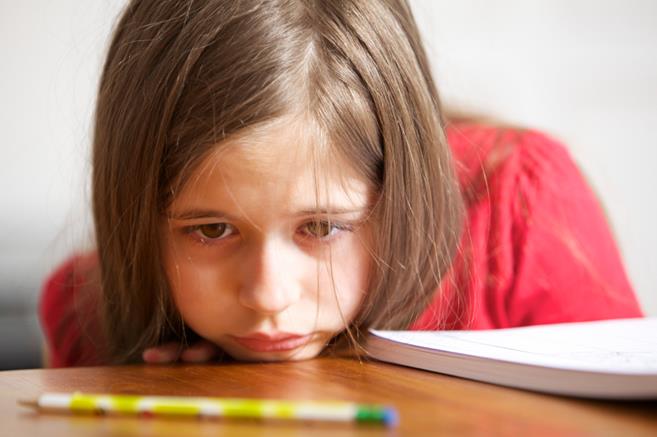
Calm down, it may not be ADHD.
Here is a brief summary to help you better understand the differences between (Attention Deficit Hyperactivity Disorder) ADHD and anxiety.
ADHD is a childhood disorder that often lasts through adolescence until adulthood. It was previously called ADD. Children with ADHD often:
- Are easily distracted and miss small details
- Have difficulty paying attention or staying focused
- Tend to get bored of a task after just a few minutes
- Struggle to follow simple instructions
- Have trouble sitting still or controlling behaviors
- Have issues doing tasks that require remaining quiet
- Often interrupt others during conversation
- Are very impatient
Above I mentioned some symptoms of ADHD, now I am going to discuss anxiety and what to look for.
Anxiety is a form of stress that primarily relates to worry about what might or could happen. Anxiety is a normal human reaction but when anxiety becomes too overwhelming, or extended over a long period of time, or the anxiety is out of proportion for the given situation, we begin to look at anxiety as a disorder. Children with anxiety often experience generalized anxiety; they worry about things such as school, their family, or the future in general.
Children with anxiety experience constant stress and worry as well as:
- Have trouble sleeping at night
- Have difficulty concentrating
- Experience irritability and
- Experience physical symptoms as well that include headache or nausea
These worries and other symptoms often make the child feel as if their life is out of control. These worries can cause children to often miss school or avoid social situations.
There are a few ways for you to distinguish between ADHD and anxiety:
- Anxiety is situational and will happen suddenly. For example, anxiety could occur because of a significant life event such as one’s parents divorcing.
- Anxiety has symptoms that ADHD does not have, including nightmares, shakiness, nausea and vomiting, racing heart, sweaty palms, and dizziness.
- ADHD is prevalent regardless of whether your child is at school, at home, in stores.. etc. If a child is well-behaved at school but not at home or vise-versa they do not have ADHD. Instead, they could be behaving in a way due to lack of structure.
- You have to look at whether or not the anxiety and/or ability to pay attention is typical for children of that age. For example, if a three year-old can’t sit still during a sporting event, chances are that child does not suffer from ADHD or anxiety, because that is typical behavior for a child that age.
- Remember that structure is very important for children. They may not be suffering from ADHD or anxiety but rather lack of structure – Rule charts and behavior calendars are great tools to keep everybody on the same page as well as understand expectations and rewards or consequences for certain behaviors.
Patients with ADHD can sometimes have anxiety too. This is because they worry about their symptoms causing disruptions in situations that are not ideal, causing them embarrassment.
Treatment is critical for both of these disorders in order for patients to manage their symptoms. Treatment options include:
- Cognitive and behavioral therapy
- Relaxation techniques
- Medications
Help your child by being willing to listen and encouraging them to share with you how they are feeling. We are here at Eltilla to support you and answer any more questions or concerns.

 Mental Health Reimagined
Leave a comment